Treatments
Pregnancy and fertility
Osteopathy supports with the desire of having a child
Is getting pregnant not something that comes to you easily? And is there no medical explanation for this? An appointment with one of our osteopaths could help you get some movement in the process. A lot of processes have to take place in order for the body to get pregnant. It is quite the miracle how a fertilized egg develops itself all the way into becoming a beautiful baby. Hormones, blood flow and mobility of the uterus and ovaries play an important role in fertility. When mobility is decreased, as a result of for example abdominal-pelvic surgeries, inflammations or trauma, this may have an effect on fertilization.
An osteopathic treatment can have a positive effect on the blood flow and mobility of your uterus and ovaries.
Osteopathy during pregnancy
When you are pregnant, your belly grows due to the growth of your child and uterus. This puts increasing pressure on your pelvis and lower back. In addition, the hormones ensure that the ligaments and joints become more flexible.
An osteopathic treatment can offer a solution and help your body to cope with the changes. Curious if you can go to the osteopath with your complaints? Feel free to contact our practice!

Osteopathy after giving birth
Do your physical symptoms persist or worsen after giving birth? Do you still suffer from pelvic, neck, shoulder or back related complaints, incontinence or other bladder problems? Our osteopaths may be able to help you. They can also help with the c-section scar or episiotomy (cut during delivery). After abdominal surgery, almost everyone develops adhesions in the abdomen. With a cesarean section, this mostly happens between the scar and the uterus. Other places where it might occur are between the uterus and the small intestine or between the uterus and the bladder. Following complaints and symptoms usually occur around the back and hip area. This is because the scar tissue pulls in such a way that it blocks the sacrum, hip or lower back. Even years after the operation this can cause issues.
Other regular complaints after having had a cesarean section are bladder problems, such as urine loss or having to urinate more often in smaller amounts.
The obtained adhesions can also cause intestinal problems, as the mobility of the intestine has decreased. Due to the presence of these adhesions, diarrhea, flatulence, abdominal pain, abdominal distention, nausea or constipation are possible.
The first treatment with the osteopath can be planned approximately 6 weeks after delivery.
Curious if you can go to the osteopath with your complaints?
Please feel free to contact our practice!
Common complaints around pregnancy
Below you will find a number of common complaints that can arise around pregnancy. If you have other complaints, do not hesitate to contact us.

Osteopathy during pregnancy
During pregnancy, your body changes a lot. Your joints, muscles and organs adapt to make room for your growing baby. This can sometimes cause complaints, such as back and pelvic pain, fatigue or tension in your muscles. Osteopathy can support you in a natural and gentle way.
With manual techniques we help the body to remain flexible and balanced, so that you feel more comfortable and complaints are reduced. This not only contributes to your well-being, but also to a relaxed environment for your baby.
The diagnosis
At Osteopathie Laarman we always start with an extensive conversation and examination. For example, we start with an observation of the entire posture (from head to toe).
The research will then focus on, among other things:
– how is the entire spine (neck, shoulders, mid and lower spine)
– how are the pelvis and sacrum positioned
– what is the tension and interrelationship of the muscles
– how does the connective tissue feel in relation to the hormonal changes during pregnancy
– What freedoms and limitations of movement do we have to deal with and what relationships or integration can we see?
– which possible disciplines can support/help us to make you a fit mother (to be) again as soon as possible! We are always open to drawing up an integral treatment plan if necessary. Together for health.
We then draw up a personal treatment plan, tailored to your pregnancy and needs.
The treatment
Our treatments are gentle and painless. We work with subtle techniques to relieve muscle tension, improve blood circulation and bring your body back into balance. This allows you to move more freely and enjoy your pregnancy to the fullest.
Osteopathy and fertility
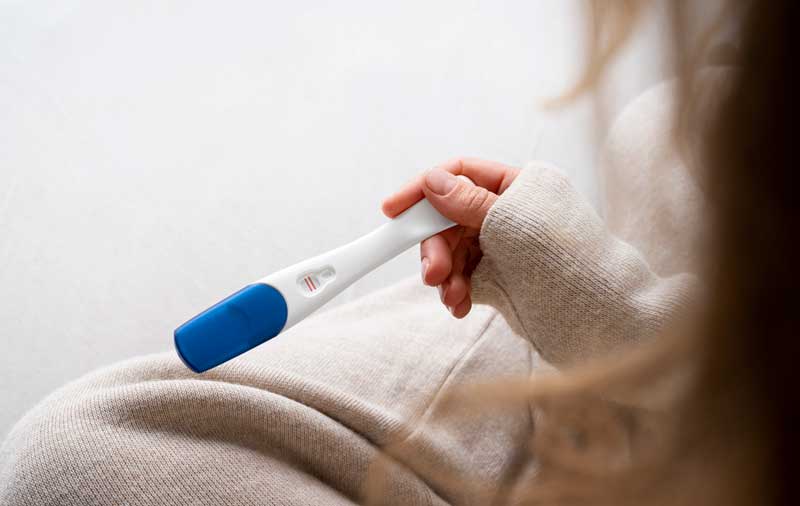
Getting pregnant seems like a no-brainer, but for many couples this isn’t always the case. Hormonal and physical factors can disrupt the natural balance, making it harder to conceive.
Osteopathy can help by allowing the body to function optimally.
We focus on:
– Improving blood circulation in the pelvic area
– Reducing tension and blockages
– Supporting healthy hormonal balance
– Relieving stress, which can have a major impact on fertility
What can you expect?
During the first appointment we will discuss your medical history and any previous pregnancies. We will then examine how your body moves and whether there are any tensions or blockages that could affect fertility.
The treatment
With gentle techniques we improve the mobility of the pelvis and the surrounding structures. By promoting blood flow and relaxation, we create a more favourable environment for pregnancy. Although osteopathy cannot offer any guarantees, it can be a valuable support in this process.

Back and pelvic complaints during pregnancy
Many pregnant women experience back and pelvic pain due to the increased pressure on muscles and joints. This can limit your range of motion and make your daily activities more difficult.
Osteopathy helps keep your body supple and balanced. By using gentle techniques to reduce tension in muscles and joints, you can move more freely and pain is relieved.
At Osteopathie Laarman we start with an analysis of your entire posture, muscle balance and joint mobility.
We involve different systems of the human body to find out what the essence of your complaint is. Think of the hormonal system, neurological system, muscle and connective tissue system, circulatory system, lymphatic system, digestive system. We look at all these systems in relation to the phase of your pregnancy. A very complex process, where expertise and experience are a plus!
What can the osteopath do?
Based on the above, we first determine whether your complaint is an indication for osteopathic treatment. If this is not the case, we will always advise you which discipline can provide more appropriate care. Or in the event of any 'red flags', we will advise you to visit your GP for further examination. In our eyes, a therapist is only a good therapist if you know where your limits are, but also certainly where your expertise lies. Mutual cooperation between (para)medical care makes our practice so strong.
The treatment
Our treatments are painless and completely tailored to your body. We help you to keep moving smoothly, so that the pregnancy is as comfortable as possible. Osteopathy can also provide valuable help in the recovery process after childbirth.

Cesarean section
When giving birth, you usually have two options: a natural birth or a cesarean section. Although a cesarean section may sound like an easy choice, this procedure is less common in the Netherlands than in some other countries.
The Netherlands is still an exception when it comes to the number of cesarean sections. At the same time, fewer and fewer women are choosing to give birth at home
About 17% of births here are by cesarean section, compared to one in three in the United States and more than half in Brazil and Turkey.
In addition, the place where women give birth has also changed in recent years. A study by EenVandaag and Ouders van Nu (2021) shows that 21% of women give birth at home, 21% in a birth center, birth hotel or outpatient clinic, and 58% in the hospital due to a medical necessity.
By comparison, in 2009, 58% of women gave birth at home under the supervision of a midwife and 42% in hospital (source: Vektis).
Recovery after a cesarean section
After a C-section, the body needs time to recover. The surgery not only affects the abdominal wall and uterus, but can also cause tension in surrounding structures such as the back, pelvis and diaphragm.
This can lead to complaints such as:
– Back and pelvic pain
– Tensions in the scar area
– Digestive problems
– Difficulty breathing deeply or a tight feeling in the abdomen
– Reduced mobility of the pelvis
Osteopathy focuses on restoring the natural balance in the body. Through gentle, manual techniques, we help to reduce adhesions and tension around the scar area, improve blood flow and restore the mobility of the pelvis and spine. This promotes a smooth recovery and helps prevent complaints.
Osteopathy for the baby after a caesarean section
A cesarean section is different from a natural birth. Because the baby does not pass through the birth canal, it lacks the natural pressure and rotation that helps the nervous system develop and adapt to life outside the womb.
This may affect:
– Muscle tension and motor development
– The sucking and swallowing reflex, which can make breastfeeding more difficult
– Digestive problems such as cramps or reflux
– Restlessness or sleep problems
An osteopath can use gentle techniques to reduce tension and optimize the mobility of the skull, neck and spine. This helps the baby to adapt better and feel more comfortable.
Safe and effective support
Osteopathy is a safe and natural treatment method that can support both mother and baby after a caesarean section. The treatments are gentle, painless and fully tailored to the individual situation.
Would you like to know more about how osteopathy can help after a cesarean section? Feel free to contact us for advice or an appointment.
Frequently asked questions about osteopathy
-
During the intake interview we try to get a picture of your general health. Together we look at your medical history and current health complaints. In addition, we do a physical examination in which we look at the underlying cause of your complaints. Depending on the nature of your complaints we start treatment immediately.